Ngũgĩ wa Thiong’o: The Wordsmith Who Rewrote Africa’s Soul

Ngũgĩ wa Thiong’o

When the sun sets on a giant, the shadows they cast are not of absence, but legacy. The passing of Ngũgĩ wa Thiong’o, one of Africa’s most formidable literary figures, leaves a continent and a world reckoning with the void of his physical presence and the immensity of his intellectual and cultural inheritance.

Born in 1938 in colonial Kenya, Ngũgĩ’s literary journey began in English, the language of the classroom, the church, and the coloniser. But what set him apart was not merely his talent, it was his defiance. He was not content to use the master’s tools; he sought to dismantle the house of colonial consciousness itself. This journey, from Weep Not, Child to Decolonising the Mind; charts a transformation from novelist to nationalist to radical thinker, and finally, to cultural prophet.

For those of us who walked the lecture halls of Makerere University, where Ngũgĩ once read and debated, his name rang not just with fame but with purpose. He reminded us that literature was not a decorative art but a weapon of liberation. He showed us that writing was not passive reflection but active resistance.

Ngũgĩ’s early works, especially The River Between and A Grain of Wheat, are foundational texts of postcolonial literature. They grapple with the trauma of colonisation, the ambiguity of nationalism, and the betrayal of post-independence ideals. But it is in Petals of Blood and later Devil on the Cross, that his vision sharpens into a critique of neocolonialism, capitalism, and the complicity of African elites.

Yet perhaps his most radical act was linguistic. Turning away from English to embrace Gikuyu, Ngũgĩ challenged the very framework of African literature. In doing so, he argued that true decolonisation cannot happen until African languages are given their rightful place in the intellectual and creative life of the continent. His essay collection, Decolonising the Mind, remains a seminal text in cultural studies and postcolonial theory.

Ngũgĩ’s life was not without hardship. He was imprisoned without trial for his political views, exiled for his critique of Kenya’s leadership, and blacklisted at home even as he was celebrated abroad. But even in adversity, he remained unbowed. His pen became sharper, his mind keener, and his vision clearer.

As a teacher and former literature student, I look back on his legacy with both gratitude and responsibility. Ngũgĩ taught us that literature must be rooted in the soil from which it grows. That our stories matter. That language is not just a medium but a memory, a worldview, a battleground.

In mourning Ngũgĩ, we are called to do more than remember him. We must read him. Teach him. Argue with him. Translate him. And most importantly, continue his work. Because for Ngũgĩ, the struggle was never just literary, it was human, cultural, and eternal.

Rest well, Ngũgĩ wa Thiong’o. You gave us the tools. Now it is up to us to keep building the house of African letters.
Leveraging my professional practice in communications to address the systemic challenges facing our education sector.

“when a Ugandan girl becomes pregnant, she enters a devastating cycle that often derails her future prospects”

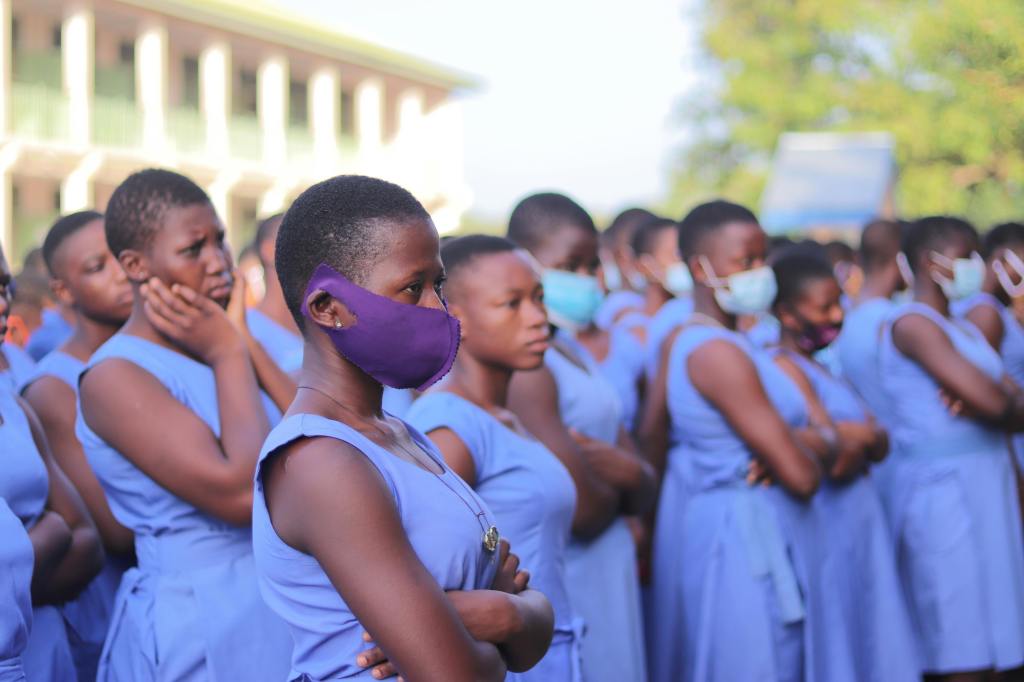
Post COVID-19, Uganda’s education system continues to grapple with unprecedented challenges, shedding light on deep-rooted issues that continue to hinder young girls’ access to a quality education. Among the pandemic’s lasting effects is a troubling surge in teenage pregnancies, which has cut short the dreams of thousands of girls and exposed the systemic vulnerabilities of our educational and social support frameworks.

Working in communications with a background in education, I have felt the impact of this crisis on a personal level. Last year, I had an opportunity to document the efforts of my client “an organisation” under a project dubbed, “Resilient Roses: Nurturing Dreams Beyond Teen Motherhood”, which opened my eyes further to the many obstacles young girls face in returning to school post-pregnancy. Seeing these “resilient roses” fighting to reclaim their futures amidst adversity has been deeply inspiring and reminds me of the transformative role communications can play in fostering empathy and action. While this work is fulfilling, it serves as a sobering reminder of how much remains to be done.
Teenage pregnancy is a global issue with significant implications for the growth and development of young girls. The World Health Organization (WHO) reports that approximately 17 million teenage girls give birth annually, with nearly 95% of these cases occurring in low- and middle-income countries. Every day, 20,000 teenage girls in developing countries become mothers, amounting to 7.3 million births each year (UNFPA). Uganda mirrors these statistics, with teenage pregnancy rates alarmingly high.

When a Ugandan girl becomes pregnant, she enters a devastating cycle that often derails her future prospects. Forced into early motherhood, her health, education, earning potential, and overall opportunities diminish significantly. According to UNICEF’s 2020 national survey on violence, over half of girls in Uganda experience some form of childhood sexual abuse, which has exacerbated the issue of teenage pregnancies. Despite efforts to reduce this, the statistics remain unchanged, highlighting a societal challenge that requires urgent and multifaceted solutions.

Uganda’s education sector faces deep-rooted challenges that perpetuate issues like teenage pregnancy. High-quality education remains financially out of reach for many families, forcing young girls out of school and increasing their vulnerability to early marriage and pregnancy. Despite policies that allow young mothers to return to school, poor implementation and social stigma often prevent re-enrollment. More so, government investment in education is also critically low, with only 2.552% of GDP allocated to the education far below the global target of 5% which limits resources for improving infrastructure and support systems. All of these coupled with lack of visionary leaders equipped to address these challenges hinder progress toward meaningful education reforms.
In my line of work as a communications professional, I find immense value in storytelling as a tool for change. By bringing to light the stories of young mothers and advocating for improved educational policies, communications can serve as a bridge between the public and the policymakers, fostering awareness and collective action. My work documenting Resilient Roses showed me that the power of narrative goes beyond simply raising awareness—it can inspire resilience, shift perspectives, and mobilize action among key stakeholders.

Finally, addressing the challenges faced by young girls affected by teenage pregnancies requires a holistic approach. It calls for comprehensive support systems that help these girls reintegrate into schools, targeted funding to elevate the quality of education, and robust policies that safeguard girls’ rights to continue their education regardless of circumstance. Most importantly, it requires the commitment of every stakeholder in the education ecosystem to create an environment where young girls can learn, grow, and realize their full potential.

As I continue my journey in the field of communications, I am driven by the vision of using my skills to tell these impactful stories and advocate on behalf of those who are working tirelessly to transform Uganda’s education landscape.

In your line of work, how are you using your expertise to address pressing societal challenges?

Proper Public Communication

What paints the Ugandan picture so vividly are the vibrant communities, the cultures, the people, and of course the landscapes. What continues to hold such people together is the relentless desire to thrive. This drive could be interpreted as the need for the country to develop, and over the years, effective communication has emerged as a cornerstone of successful development initiatives. As the nation tackles critical challenges in areas like health, education, and poverty alleviation, understanding the pivotal role of communication becomes increasingly important for government bodies, development partners, and the general populace.

In a country such as ours, development efforts must resonate with the local context. Effective communication for development begins with a deep understanding of the community’s unique cultural, social, and economic fabric. For instance, in rural areas across the various regions of the country, such as the Busoga or Karamoja regions, traditional practices and local languages play a significant role. Engaging directly with community members, listening to their concerns, and incorporating their insights into development strategies ensure that initiatives are not only relevant but also embraced.

Tailoring development initiatives and crafting messages that address specific needs and concerns is crucial once the community’s context is understood. For example, health campaigns in Uganda often focus on malaria prevention, vaccination, or, on rare occasions, particular crises, such as the COVID-19 pandemic. To be effective, these messages must reflect local beliefs and practices. Involving local leaders and influencers in spreading these messages can enhance their acceptance and impact. Clear, relatable communication ensures that vital information reaches the audience and is acted upon. On another day I will tell you why I think the lethality of COVID19 would have been abated if the pandemic was communicated better!

In a country as diverse as Uganda, reaching people through various channels is essential. While urban areas like Kampala might be more connected through social media and digital platforms, rural communities often rely on radio broadcasts, community gatherings, and local newspapers. A comprehensive approach that includes these diverse channels ensures that information about development projects, health advisories, and educational programs reaches all segments of the population effectively. While using the right channels, we ought to appreciate that building and maintaining trust is also a critical component of successful communication in development. Transparency and consistency are key. Regular updates on development projects, openly addressing challenges, and celebrating successes contribute to building a positive relationship with the community. For example, when the government announces a new agricultural initiative, clear communication about its benefits, implementation plans, and expected outcomes fosters trust and support among farmers.

What my experiences have taught me are that development efforts should be collaborative rather than top-down. Involving community members in the planning and implementation stages of projects empowers them and enhances the effectiveness of these initiatives. For instance, community-driven projects such as improving local water sources or setting up educational programs are more successful when local voices are heard and considered in the decision-making process. This participatory approach ensures that the initiatives address real needs and fosters a sense of ownership and commitment among community members.

Finally, ongoing monitoring and adaptation of communication strategies are crucial. Uganda’s development landscape is constantly evolving, and what works well at one stage may require adjustments as conditions change. Regularly assessing the effectiveness of communication efforts through community feedback and data helps refine strategies and improve outcomes. For example, if a new health initiative isn’t achieving the desired impact, analysing feedback and making necessary adjustments can help align the project with community needs and expectations. As a country, we have seen several transformative development projects, such as the Northern Uganda Social Action Fund (NUSAF), Development Response to Displacement Impacts Project (DRDIP), and The Parish Development Model. These programs have made significant strides in improving livelihoods, social infrastructure, and economic stability across the country. The success of such initiatives heavily relies on effective communication that fosters collaboration between government, development partners, and local communities. But also, one may want to know how well documented these efforts have been, it is very critical for the citizenry to understand such efforts, their impact on communities and also hold government accountable in its mandate to champion the development of communities.

As generations come by, the rift between the government of Uganda and the people it serves continues to widen and that is rightly so because of the disconnect there is between the two parties. Proper Public communication alone can help bridge that gap by gathering insights and understanding of relevant audiences, their needs and attitudes and ensuring this is taken into consideration when developing policies, projects and services. Its value is becoming increasingly recognised across all stages of the policy and development cycle. This includes encouraging behavioural change, such as policy compliance and uptake, during the implementation phases of policies and projects. Through real-time analysis of citizens’ needs and expectations, public communication can additionally support the defining of priorities and designing of policies. It can strengthen transparency and accountability and enable public debates around government actions.  For us as a country, the function of communication is more than just a tool—it is a vital element that weaves together the threads of successful development. By understanding local contexts, crafting targeted messages, utilising diverse channels, building trust, encouraging participation, and remaining adaptable, the government of Uganda and development partners can significantly enhance the impact of their initiatives. As the nation continues to pursue progress, embracing these principles of communication will be key to achieving lasting and meaningful development outcomes

Navigating the Murky Waters: From Doubt to Determination in the World of Careers

The possibilities are endless!

Today, I had the privilege of sitting down for a candid chat with a young individual eager to embark on their career journey. Our conversation was intended to provide insights for my employers to make an informed decision on whether to bring her into our team.

To truly understand her, I opted for a casual approach, encouraging her to be her authentic self. Throughout our dialogue, we delved into a myriad of topics, ranging from professional aspirations to personal challenges. What resonated most with me were the fears she shared and the obstacles she encountered while striving to carve her path in the professional world.

She spoke of the difficulties she faced in managing her emotions amidst setbacks, navigating through negative energy, and confronting detractors. She also recounted a disheartening experience of being denied opportunities simply because of her gender, a blatant form of discrimination that should have no place in any industry. Additionally, she expressed her struggle with projecting confidence, especially as a recent graduate with limited tangible achievements to showcase.

Yet, amidst these challenges, I couldn’t help but notice the immense potential and versatility within her. She exuded a palpable passion for visual communication and storytelling, traits that could undoubtedly lead to a significant impact in her chosen field. However, a cloud of fear, self-doubt, and confusion seemed to overshadow her potential, hindering her from fully embracing her capabilities.

Reflecting on our conversation, I couldn’t help but draw parallels to my journey just a few years ago “in 2021”. At 22, in my final year of university pursuing a degree in education, I found myself venturing into the unfamiliar terrain of creative spaces and communication/advertising agencies, particularly in the realm of copywriting. Like her, I was navigating uncharted waters, armed with determination but lacking in experience and guidance.

Looking back, I realized how ill-prepared our education system often leaves us for the realities of the professional world. Many graduates and young professionals, embark on their career journeys with uncertainty, unsure of how to translate their skills and passions into meaningful contributions in professional settings.

And now, as I found myself on the other side of the table, I saw a reflection of my younger self in her eyes—a diamond in the rough, waiting to be polished and unleashed upon the world.

At that moment, I knew I had a responsibility not just to evaluate her for a job, but to uplift and empower her in any way I could. Drawing from my own experiences, I shared with her words of encouragement and advice, the very way I want to share with all the young people out there about to be thrust into the world of work:

Believe in yourself, even when others doubt you. Embrace your unique journey and the lessons it brings. Don’t be afraid to fail, for it is through failure that we truly learn and grow.

As young professionals, it’s essential to recognize the importance of investing in ourselves continuously. In an ever-evolving landscape, acquiring new knowledge and skills is not just an option but a necessity for staying relevant and competitive. By demonstrating a genuine eagerness to learn and adapt, you not only enhance your capabilities but also signal to potential employers your commitment to personal and professional growth.

Moreover, it’s crucial to convey a strong desire to work and contribute meaningfully. Employers value individuals who display initiative, enthusiasm, and a proactive attitude towards their work. Showcasing your eagerness to take on challenges and make a positive impact can set you apart in a crowded job market.

Beyond skills and work ethic, cultivate a strong moral compass and integrity. In a world where trust and reputation hold significant weight, maintaining a sense of decency and ethical conduct not only builds trust with colleagues and clients but also fosters a positive work environment.

Remember, you possess the skills, the passion, and the resilience to carve out a remarkable career for yourself. Embrace the journey, embrace the challenges, and never lose sight of the incredible impact you can have in your world of work. The possibilities are endless!

With those words lingering in the air, I felt a sense of hope and possibility wash over us both. For in this young woman, I saw not just a candidate, but an incredible visual communicator, a force to be reckoned with in the realms of creativity and innovation. As she walked away from our conversation, I knew that no matter the outcome of this assessment, she was destined for greatness.

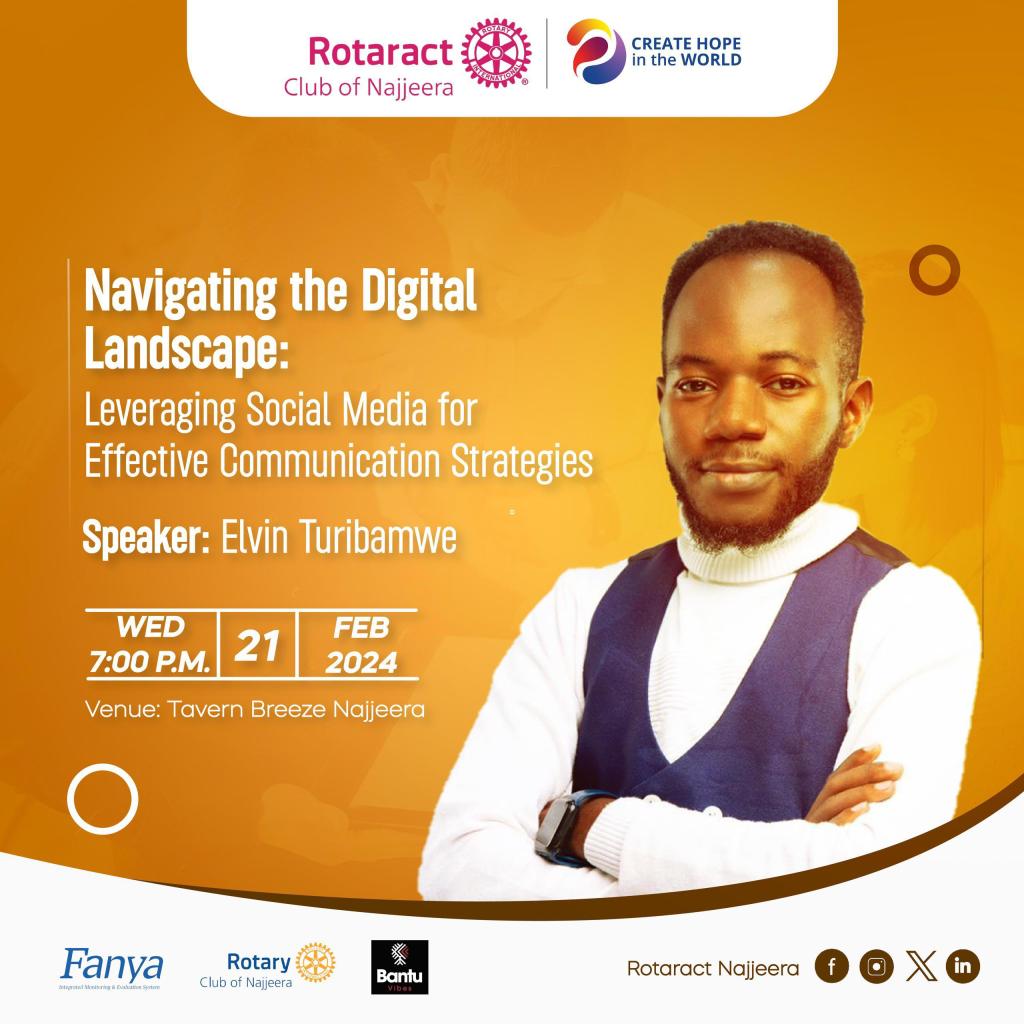
Navigating the Digital Landscape: Leveraging Social Media for Effective Communication Strategies

Speaking at the Rotaract Club of Najjera weekly fellowship

Effective Communication:

Communication as a discipline is as old as mankind; we can trace its origin to the origin of speech which is about 100000 BC. It is a concept that can we understand as the sending and receiving of messages, for it to be effective though, it has to score at the five fronts of clearcorrectcompleteconcise, and compassionate.

In today’s fast-paced digital world, effective communication stands as the linchpin for fostering meaningful connections, both personally and professionally. The digital landscape has undergone a remarkable transformation with the emergence of social media platforms, reshaping how individuals engage, interact, and disseminate information. This shift marks a pivotal moment in the evolution of communication technology, fundamentally altering the dynamics of interpersonal relationships. Platforms such as Facebook, Twitter, Instagram, and LinkedIn have become ubiquitous in modern society, boasting billions of active users worldwide.

Understanding the Digital Landscape:

The evolution of social media can be traced back to the 1990s with websites such as classmates.com and sixdegrees.com. Subsequently, in early 2003, platforms like Myspace emerged, followed by the launch of Facebook by Mark Zuckerberg in 2004. Twitter, founded by Jack Dorsey and Biz Stone, debuted in 2006, while Instagram, created by Kevin Systrom and Mike Krieger, was introduced in October 2010. YouTube, founded by Chad Hurley, Steve Chen, and Jawed Karim, came into existence in February 2005. More recently, platforms like TikTok and Snapchat have gained prominence.

The evolution of digital communication has revolutionized how messages, documents, and media are transmitted instantly across the globe. From emails to instant messaging apps and video conferencing tools, digital communication has streamlined business interactions, fostered efficient collaboration and reduced response times. Social media platforms and messaging apps have facilitated real-time conversations, bridging geographical divides and making connectivity more accessible. With the widespread availability of smartphones and internet connectivity, communication barriers based on location or socioeconomic status have been significantly diminished.

Key Strategies for Leveraging social media:

Utilising social media platforms for both personal and professional advancement requires a strategic approach encompassing tailored content, consistent engagement, and astute audience analysis. To effectively leverage these platforms, it’s essential to curate and post relevant content that resonates with specific audiences while adapting it to suit the unique features of each platform. Maintaining a consistent posting frequency and messaging tone fosters audience familiarity and reinforces brand identity, whether for personal branding or professional networking. Active engagement with followers further strengthens connections and fosters a sense of community, enhancing visibility and credibility.

Moreover, integrating influencer marketing strategies and exploring paid promotion options can amplify reach and engagement, tapping into established networks and leveraging social proof. Conducting thorough audience analysis helps refine communication strategies, ensuring content alignment with audience interests, preferences, and behaviours. By combining these elements strategically, individuals can harness the full potential of social media to foster personal and professional growth, effective communication, and meaningful connections within their respective communities.

Future Trends and Considerations:

As technology and societal trends evolve, communication strategies must adapt to remain effective. Embracing a multichannel approach that engages audiences across diverse platforms while maintaining message consistency is crucial. Organizations must prioritize transparency, authenticity, and responsiveness to public feedback in an era dominated by social media and user-generated content. Furthermore, addressing privacy concerns and respecting user data security is paramount. Culturally sensitive and inclusive strategies are essential for resonating with diverse audiences in a globalized world.

Conclusion:

In conclusion, leveraging social media for effective communication strategies is indispensable in navigating the complexities of the digital landscape. By embracing emerging technologies, prioritizing authenticity, and respecting user privacy, organizations can effectively engage with audiences and stay relevant amidst ongoing changes. Continuous learning and adaptation are key to harnessing the full potential of social media for communication excellence.

A weird wish, this year 2024!

May your road be rough and lonely!

New year!

When you think about it, it’s not just about the crossover into a new year but rather largely about renewed hope and energy to get things done. That is why we reflect and evaluate the past year to inform our resolutions and commitments going into the new year.
Whichever experiences you have had in the previous year, I am privy to the fact that it has been an intermixture of good and bad days, and such is life!
Every new year, I revisit Tai Solarin’s “May Your Road Be Rough” write-up. He reminds me that “all that is Nobel and laudable is to be achieved only through difficulties and trials and tears and dangers, there are no other roads” he allegorically brings forth various scenarios to dislodge our delusional desires to not get into any danger or difficulties while we ride through life.
What Tai wants us to make peace with is the fact that it is always going to be tough, when we appreciate that truth, we will build character, synergies and relationships that will insulate us from being broken by the apprehensions of life.
What will make this year remarkable is our ability to take risks, our willingness to face challenges, and our resolve to bounce back but not our wishes for a smooth ride. There are no alternative roads for us who genuinely desire success, it will be tough.
If you are out in this new year to win and archive, I will borrow Tai’s philosophy and my wish for you will be, May your road be rough!

Generation Z, through the lens of a strategic communicator……

evolution of communication

It is a popular opinion that managing perceptions, marketing and communicating with the constituents of Generation Z is a flex, I am inclined to defer. Communicators, marketers and public relations specialists have to invest a reasonable amount of time in understanding people’s psychology, values, preferences, behavioural patterns and spending habits to be able to develop working strategies.

Even when the millennials are still the largest cohort of consumers with actual purchasing power, Gen Z is the next big generation who without a doubt are bringing tremendous spending power and influence to the table. In other words, it’s a demographic approaching adulthood and entering the workforce qualifying them as a viable consumer segment.  Predominantly a unique group of young adults and teens who have never known life without the internet. This demographic cohort exhumes unique features and trends that every professional has to be well acquainted with. Summarily, Gen Zs are the first true digital natives, with a high entrepreneurial spirit, social consciousness, economic pragmatism, short attention span and both racially and ethnically diverse. In a fast-paced digital landscape, y’all professionals ought to tailor outreach strategies that align with the aforementioned unique values of Gen Z lest you struggle to capture attention and potential buy-in.

The consumption of information by Gen Zs greatly differs from the previous generations for they will many a time take in information via streaming services unlike traditional media channels, and that’s how fast-paced information flow is today.

The new crop of strategic communicators; will have to stay ahead of emerging platforms and trends, and embrace the unique attributes of Gen Z while subtly factoring in the broader attributes of the different generations. Only then shall we establish meaningful connections, and leverage the purchasing power and influence of Generation Z.

Women in the digital age.

EMPOWERING WOMEN IN THE DIGITAL AGE: Reflections on International Women’s Day 2023

Spurred on by the universal female suffrage movement that began in New Zeeland, with its earliest observance on February 28th, 1909 in New York. The first International Women’s Day was marked by over a million people in Austria, Denmark, Germany and Switzerland on 19th, March 1911. This was later picked up by the United Nations which began to celebrate the latter in 1975 a year that had been proclaimed the International Women’s Year. In 1977, the United Nations General Assembly invited member states to proclaim the 8th march as an official UN holiday for women’s rights and world peace, It began to be commemorated annually by the UN and much of the world, with each year’s observance centred on a particular theme or issue within women’s rights.

The digital age is upon us, affecting the way we live and work over the past half-century in a way that the 9 – 5 economies have been replaced with globally integrated 27/7 service offerings. The need to cope with this reality has been handled by different countries differently for the advancements have been terrific in Artificial intelligence, Machine Learning and the Internet of Things. This year’s Women’s Day theme falls in perfectly well. DIGITAL: Innovation and Technology for Gender Equality. With all the new possibilities of the digital age also come enormous threats in regard to the digital gender gap, especially on the widening economic and social inequalities exemplified by how women were isolated during the COVID-19 pandemic as most conversations were held online on digital platforms while most rural women had limited or no access to most digital forums.

Humanity has had to deal with universally known transitions which have become a long and circuitous journey, from the Industrial Revolution which brought us to the Industrial Age eventually leading to the Digital Revolution and the current information age. There is a dire need to cultivate maximum levels of boldness from within to transcend the traditional notion of female empowerment which focuses on inapplicable skills or those with low economic value as per the times, to upskilling our young women with 21st-century relevant and in-demand technology skills like cloud computing, software development, data analysis and digital marketing. The challenge is upon us, and we ought to encourage more women to get involved and not see technology as a masculine career/lifestyle.

Fair enough though, there is commendable progress in increased awareness and numerous initiatives, but women still face significant challenges in the sectors that affect all stages of females’ career paths and life courses in the digital sphere. Some of these challenges include but are not limited to unconscious biases, tokenism, low transparency and inclusiveness in business policies. Additionally, to give these a more indigenous context are other specific difficulties that women face when it comes to establishing themselves in the fields of science, technology, engineering and math (STEM) i.e. lack of role models, entrenched stereotypes, weaker business networks and stronger perceived difficulties in reconciling business/career and personal life. Given these challenges, there is a need to reflect, rethink and re-orient ourselves towards the realities of the day.

The risk is real and if equality in the digital sphere is not achieved, we will miss talent, vision, resources and wealth. The lack of diversity, particularly of women, in teams developing technology, has an impact on innovation too. Direct evidence of this fact can be found in examples of failed, inadequate or unfortunate products and services. The indirect benefits of having diverse teams are more complex to prove especially for growing economies like Uganda’s, but there is evidence that diversity, particularly in intensively knowledge-based industries such as ICT, increases performance and innovation. If no action is taken, the impact of the lack of diversity in technology can be extreme considering the growing importance of big data and algorithms in our lives that have been preconditioned by the digital age. A study conducted by Iclave for the European Commission dubbed “women in the digital age” highlights with utmost clarity that “technology reflects the values of its developers, and that of the information they draw from” Isn’t it therefore true that allowing for diversity and inclusiveness of teams/communities engaging in digital and information technologies could help identify biases and ultimately prevent them?

Today while we commemorate International Women’s day, let us reflect deeply on what it would take for us to foment women’s interests in tech-related fields/careers. In Africa and Uganda to be exact, policies and initiatives formulated in an effort to advance gender equality in the digital sector should be keen on key moments that have the greatest influence on a woman’s life and these are universally uniform i.e., childhood, adolescence, entering the world of work, motherhood and returning to the labour market.

On such days, we all should remember and acknowledge the strength of a woman in building society juxtaposed with the realities of the day and the projections of the future. I hope this write-up inspires a thought or better even sparks a conversation around the gender gap in I.C.T and how increasing women’s participation in the digital sector can help mitigate gender inequalities, stereotypes and preconceptions, increase access to the labour market for women and improve their working conditions.

From the communications and digital enthusiast’s perspective, we shall close this gap when we get rid of classic stereotypes emanating from patriarchal cultures, foster girl’s education and interest in STEM through tech-based games and lastly provide greater visibility to women who can serve as role models and sources of inspiration for other women and girls.

The Teaching Profession Should Be Abolished

5th October 2021

On the 5th of October of every year, the world celebrates “World Teacher’s day” this day this year, like all the previous years, social media is buzzing with messages of “Happy Teachers Day” but for me, they don’t make straight sense, as a professional teacher and son of a teacher, I have lived and witnessed the plight of teachers.

As most of us do in this digital era, I take my frustration to my WhatsApp status where I put up a post “As we commemorate World Teacher’s Day today, I think about this my profession but still concur with most who think like me that this profession has for long been taken for granted and should be abolished

Grace, a learned friend who is an advocate responds

I beg to differ😏, this is the noblest of professions. It being taken for granted doesn’t nullify its impact on society. Maybe we should look at it as a gift. And yes, it is a gift. And the validity of a gift cannot be trashed by how it’s valued. Nothing can stop passion. If teachers compare their worth with that of other professions, then they undervalue who they are! They are more than just a profession. Ever thought about standing in front of clueless individuals to speak words that impact their lives forever? They are the only category of people that can reason with all other “professions” without a doubt because one of their many characteristics is “all-knowing”. maybe they should use the opportunity they have to teach the people they mentor to value teachers. I am proud of every teacher out there because I am a proud product. Happy teacher’s day Elvin😌

I hear her and for me, this is a very solid and emotionally striking response. but the world has got to understand something about this debate. when we mention that “ this profession should be abolished, we do not mean to devalue it, to trash it and to disregard its impact. Such statements are meant to prompt and maybe start honest conversations about the place of education and those who preside over the same in our communities. For us, such statements are meant to mock the authorities for continuously shunning the education sector. The plight of teachers and the bleeding nature of our education system has always been subtle not until COVID-19 struck the world.

If only these “Happy Teachers Day” wishes were translated into improved livelihoods, improved working conditions, well-thought retirement benefits for teachers and a revamped and well-facilitated education system.

But again, let you all and sundry know that when a few voices chant in unison that “ ABOLISH THIS BOGUS PROFESSION” we mean not to rubbish the nobility of the profession but start conversations that should help define the ideal position of a teacher and education in our communities.

Some Days Are Longer than others

When all the hope is gone
We then shall know
That there is a lot we could have done
Rather than be proud.
Our fears today are a depiction,
Of the enormous love and affection
That is all engraved in our imperfection
Which till today, we fear to address
But rather throw blames at us.
Its funny how we’ve swept under the carpet
What the first days really meant
The aspirations that kept us tight
Even in the moments we wept
Still we believed in a future so bright
But here we are!
Here we are
Struggling with torment
Torment inspired by harsh love
Harsh love conditioned by anger
Anger engineered by hard to break fears
We hold onto regardless
But never seem to find solace
Not even a place to face the truth
Acknowledge the realities with strength
As we together discern our future.
It’s just that,
Some days are longer than others.

T.J.ELVIN
Design a site like this with WordPress.com
Get started