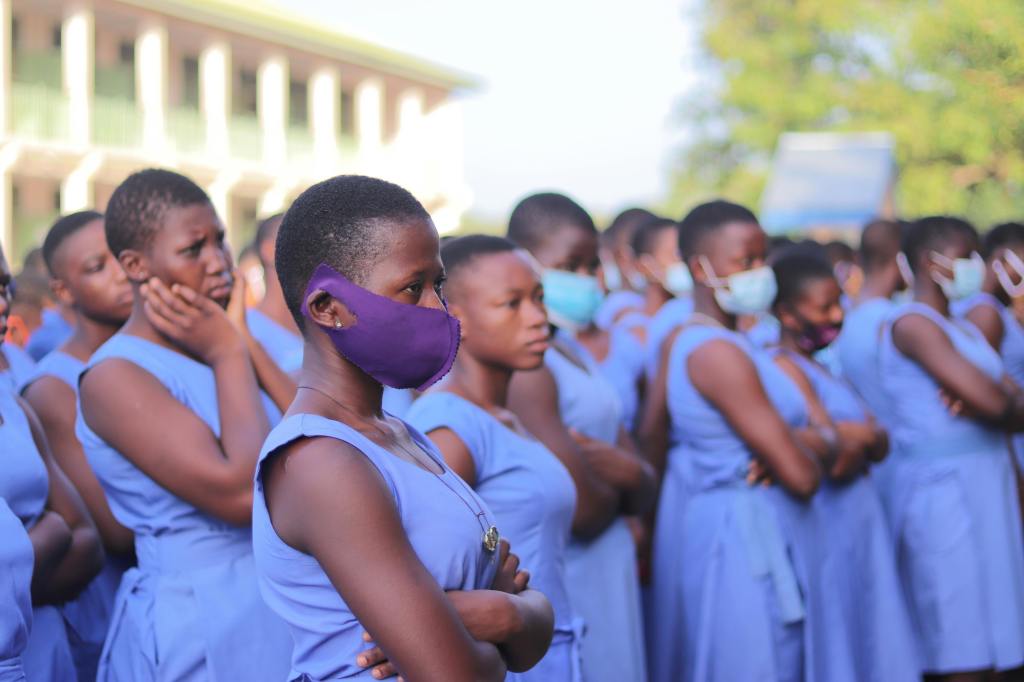
Post COVID-19, Uganda’s education system continues to grapple with unprecedented challenges, shedding light on deep-rooted issues that continue to hinder young girls’ access to a quality education. Among the pandemic’s lasting effects is a troubling surge in teenage pregnancies, which has cut short the dreams of thousands of girls and exposed the systemic vulnerabilities of our educational and social support frameworks.
Working in communications with a background in education, I have felt the impact of this crisis on a personal level. Last year, I had an opportunity to document the efforts of my client “an organisation” under a project dubbed, “Resilient Roses: Nurturing Dreams Beyond Teen Motherhood”, which opened my eyes further to the many obstacles young girls face in returning to school post-pregnancy. Seeing these “resilient roses” fighting to reclaim their futures amidst adversity has been deeply inspiring and reminds me of the transformative role communications can play in fostering empathy and action. While this work is fulfilling, it serves as a sobering reminder of how much remains to be done.
Teenage pregnancy is a global issue with significant implications for the growth and development of young girls. The World Health Organization (WHO) reports that approximately 17 million teenage girls give birth annually, with nearly 95% of these cases occurring in low- and middle-income countries. Every day, 20,000 teenage girls in developing countries become mothers, amounting to 7.3 million births each year (UNFPA). Uganda mirrors these statistics, with teenage pregnancy rates alarmingly high.
When a Ugandan girl becomes pregnant, she enters a devastating cycle that often derails her future prospects. Forced into early motherhood, her health, education, earning potential, and overall opportunities diminish significantly. According to UNICEF’s 2020 national survey on violence, over half of girls in Uganda experience some form of childhood sexual abuse, which has exacerbated the issue of teenage pregnancies. Despite efforts to reduce this, the statistics remain unchanged, highlighting a societal challenge that requires urgent and multifaceted solutions.
Uganda’s education sector faces deep-rooted challenges that perpetuate issues like teenage pregnancy. High-quality education remains financially out of reach for many families, forcing young girls out of school and increasing their vulnerability to early marriage and pregnancy. Despite policies that allow young mothers to return to school, poor implementation and social stigma often prevent re-enrollment. More so, government investment in education is also critically low, with only 2.552% of GDP allocated to the education far below the global target of 5% which limits resources for improving infrastructure and support systems. All of these coupled with lack of visionary leaders equipped to address these challenges hinder progress toward meaningful education reforms.
In my line of work as a communications professional, I find immense value in storytelling as a tool for change. By bringing to light the stories of young mothers and advocating for improved educational policies, communications can serve as a bridge between the public and the policymakers, fostering awareness and collective action. My work documenting Resilient Roses showed me that the power of narrative goes beyond simply raising awareness—it can inspire resilience, shift perspectives, and mobilize action among key stakeholders.
Finally, addressing the challenges faced by young girls affected by teenage pregnancies requires a holistic approach. It calls for comprehensive support systems that help these girls reintegrate into schools, targeted funding to elevate the quality of education, and robust policies that safeguard girls’ rights to continue their education regardless of circumstance. Most importantly, it requires the commitment of every stakeholder in the education ecosystem to create an environment where young girls can learn, grow, and realize their full potential.
As I continue my journey in the field of communications, I am driven by the vision of using my skills to tell these impactful stories and advocate on behalf of those who are working tirelessly to transform Uganda’s education landscape.
In your line of work, how are you using your expertise to address pressing societal challenges?
 Elvin John Turibamwe