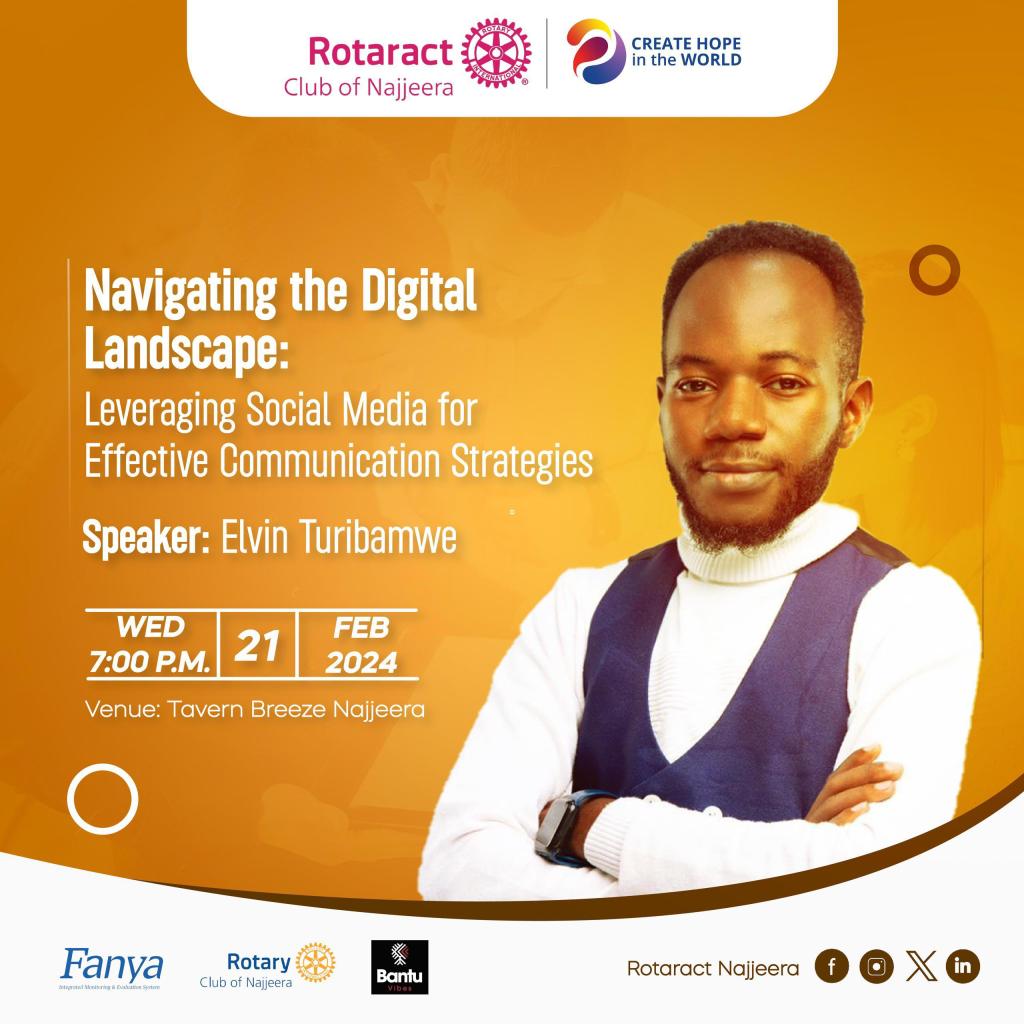
Effective Communication:
Communication as a discipline is as old as mankind; we can trace its origin to the origin of speech which is about 100000 BC. It is a concept that can we understand as the sending and receiving of messages, for it to be effective though, it has to score at the five fronts of clear, correct, complete, concise, and compassionate.
In today’s fast-paced digital world, effective communication stands as the linchpin for fostering meaningful connections, both personally and professionally. The digital landscape has undergone a remarkable transformation with the emergence of social media platforms, reshaping how individuals engage, interact, and disseminate information. This shift marks a pivotal moment in the evolution of communication technology, fundamentally altering the dynamics of interpersonal relationships. Platforms such as Facebook, Twitter, Instagram, and LinkedIn have become ubiquitous in modern society, boasting billions of active users worldwide.
Understanding the Digital Landscape:
The evolution of social media can be traced back to the 1990s with websites such as classmates.com and sixdegrees.com. Subsequently, in early 2003, platforms like Myspace emerged, followed by the launch of Facebook by Mark Zuckerberg in 2004. Twitter, founded by Jack Dorsey and Biz Stone, debuted in 2006, while Instagram, created by Kevin Systrom and Mike Krieger, was introduced in October 2010. YouTube, founded by Chad Hurley, Steve Chen, and Jawed Karim, came into existence in February 2005. More recently, platforms like TikTok and Snapchat have gained prominence.
The evolution of digital communication has revolutionized how messages, documents, and media are transmitted instantly across the globe. From emails to instant messaging apps and video conferencing tools, digital communication has streamlined business interactions, fostered efficient collaboration and reduced response times. Social media platforms and messaging apps have facilitated real-time conversations, bridging geographical divides and making connectivity more accessible. With the widespread availability of smartphones and internet connectivity, communication barriers based on location or socioeconomic status have been significantly diminished.
Key Strategies for Leveraging social media:
Utilising social media platforms for both personal and professional advancement requires a strategic approach encompassing tailored content, consistent engagement, and astute audience analysis. To effectively leverage these platforms, it’s essential to curate and post relevant content that resonates with specific audiences while adapting it to suit the unique features of each platform. Maintaining a consistent posting frequency and messaging tone fosters audience familiarity and reinforces brand identity, whether for personal branding or professional networking. Active engagement with followers further strengthens connections and fosters a sense of community, enhancing visibility and credibility.
Moreover, integrating influencer marketing strategies and exploring paid promotion options can amplify reach and engagement, tapping into established networks and leveraging social proof. Conducting thorough audience analysis helps refine communication strategies, ensuring content alignment with audience interests, preferences, and behaviours. By combining these elements strategically, individuals can harness the full potential of social media to foster personal and professional growth, effective communication, and meaningful connections within their respective communities.
Future Trends and Considerations:
As technology and societal trends evolve, communication strategies must adapt to remain effective. Embracing a multichannel approach that engages audiences across diverse platforms while maintaining message consistency is crucial. Organizations must prioritize transparency, authenticity, and responsiveness to public feedback in an era dominated by social media and user-generated content. Furthermore, addressing privacy concerns and respecting user data security is paramount. Culturally sensitive and inclusive strategies are essential for resonating with diverse audiences in a globalized world.
Conclusion:
In conclusion, leveraging social media for effective communication strategies is indispensable in navigating the complexities of the digital landscape. By embracing emerging technologies, prioritizing authenticity, and respecting user privacy, organizations can effectively engage with audiences and stay relevant amidst ongoing changes. Continuous learning and adaptation are key to harnessing the full potential of social media for communication excellence.
 Elvin John Turibamwe
Beautiful article, I love it!
I’ll seek permission from you so that I can teach this art piece in my prose classes.
LikeLike
Please teach it, and I know you will be focussing on the elements of prose therein. But I also request that you pass on the message to your learners, we need to nature a generation of young men and women who can aptly communicate and or leverage the emerging trends for their professional and personal growth
LikeLike
True. Sure thing.
LikeLike